Sponsored Content: This article was contributed by a third-party partner and contains sponsored links. Visit Tamar Valley may receive compensation for this placement.
Flower walks through the Tamar Valley are one of those quiet British treasures that most people stumble upon by accident, and then come back to every single year. Here’s a fact that surprised me: this valley once supplied daffodils and strawberries to the entire country. Commercial growers packed blooms into boxes and sent them up to London by train, and the remnants of those old flower fields still erupt every spring in waves of gold, white, and violet that most visitors to Devon and Cornwall never see. They walk right past them on the way to the coast. And if you’re celebrating a loved one’s milestone, the 60th birthday flowers delivered service offers a way to bring that same seasonal beauty straight to their door, no matter where they are.
This article gives you everything you need to plan a proper spring flower walk in the Tamar Valley. You’ll get the best routes with real distances and timings, a month-by-month guide to exactly which blooms you’ll spot, practical tips that competitors skip over, and — because walking through carpets of wildflowers tends to make you think of people you love — a natural way to send a little of that beauty to someone who can’t be there. Let’s get into it.
Why the Tamar Valley is the UK’s best-kept secret for spring flower walks
Flower walks through the Tamar Valley offer something most UK walking destinations simply can’t match. The valley holds National Landscape status (formerly Area of Outstanding Natural Beauty), and the floral heritage here isn’t decorative — it’s woven into the land itself, shaped by over a century of market gardening.
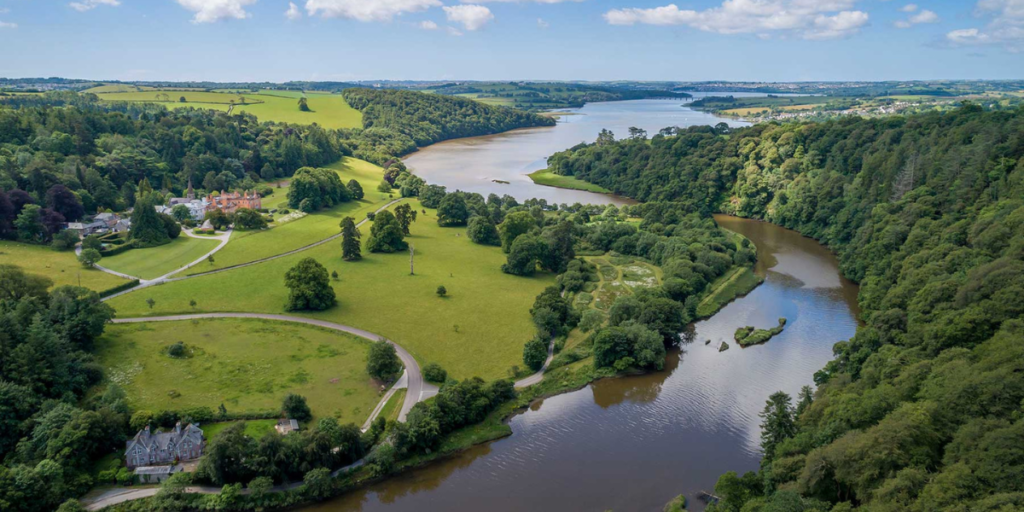
The geography explains the magic. The River Tamar forms the ancient border between Devon and Cornwall, carving a deep valley with south-facing slopes that catch the sun from morning until late afternoon. Add a mild maritime climate — the sea is only a few miles downstream at Plymouth Sound — and you get a natural greenhouse effect. Flowers bloom here a good two to three weeks earlier than in most of inland England. Honestly, I’ve walked here in late February and found daffodils already nodding along the riverbank while the rest of Devon was still grey and bare.
The valley’s past makes the present even richer. From the 1860s onward, families here grew daffodils, cherries, strawberries, and plums on a commercial scale. The Tamar Valley Line railway carried the harvest to Plymouth and beyond. Those orchards and flower fields have largely returned to a wilder state now, but the plants remain. Wild daffodil colonies thrive on old growing terraces. Cherry trees still blossom along forgotten lanes. The result is a walking landscape where cultivated beauty and wild nature blur into something genuinely special — and almost nobody writes about why. Now you know.
The famous daffodil walks: Bere Alston, Bere Ferrers, and beyond
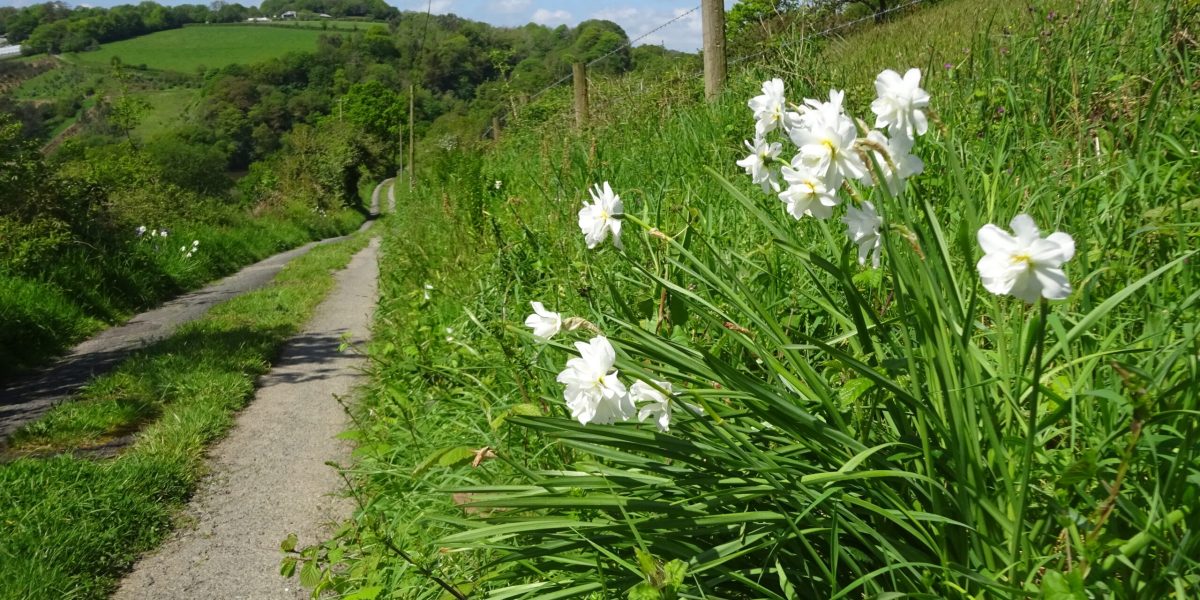
Flower walks through the Tamar Valley reach their absolute peak with the celebrated daffodil routes around Bere Alston and Bere Ferrers. These two villages sit on a peninsula formed by the Tamar and the Tavy, and every spring the lanes, riverbanks, and woodland edges light up in yellow. Three routes stand out.
Bere Alston to Bere Ferrers linear walk
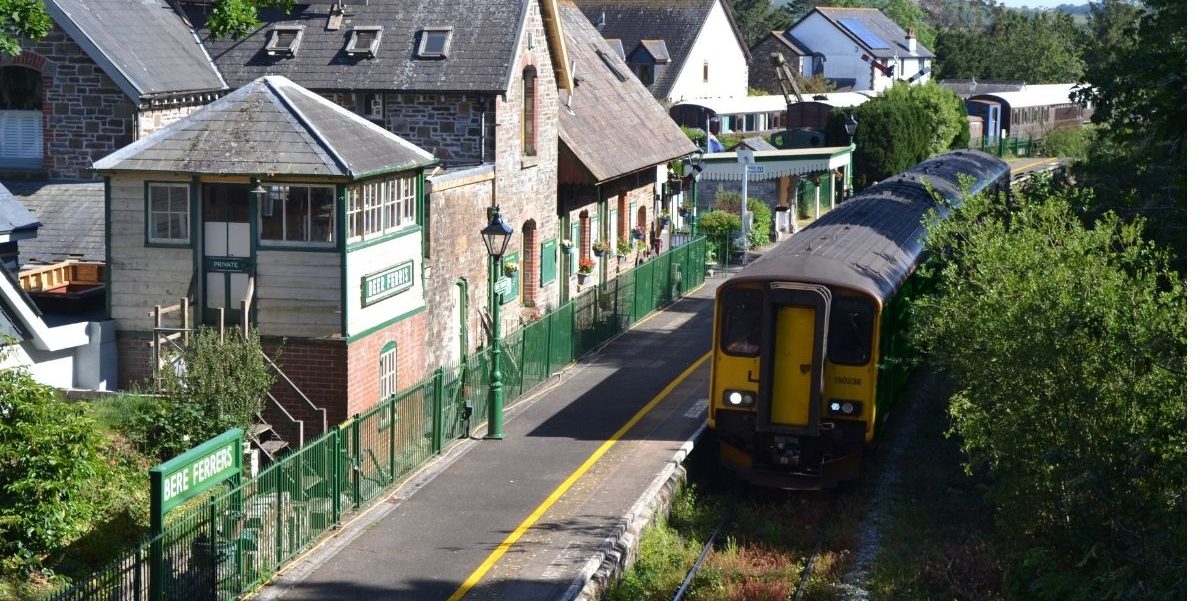
This is the classic. You start in Bere Alston village, follow quiet lanes down to the riverside, and walk along the Tamar to Bere Ferrers — roughly 3 miles (5 km) one way. The path traces the old railway line for part of the route, giving you flat, easy walking with the river glinting through the trees on your left. Daffodil banks line the path in thick drifts from late February to mid-April. The best bit? You can catch the Tamar Valley Line train back to Bere Alston from Bere Ferrers station, so you never retrace your steps. Allow about 90 minutes at a relaxed pace, more if you stop for photographs. Parking is available in Bere Alston village. The terrain is mostly firm but expect muddy patches after rain, especially near the river.
Bere Alston circular walk
This loop starts and finishes in Bere Alston, heading through farmland and woodland before looping back via the village edge. The distance is approximately 4 miles (6.5 km), and the walk takes around two hours. Daffodils dominate the early weeks, but look beyond the yellow — you’ll find primroses tucked into hedge banks, wild garlic beginning to push through the leaf litter, and early bluebells in sheltered woodland sections. The path rises gently through some fields, so you get lovely views across the valley without any serious climbing. Wear boots. The field paths hold moisture well into April.
Bere Ferrers circular walk
Bere Ferrers sits right on the estuary, and this loop takes you along the riverside path before climbing gently through woodland and back down to the village. It’s about 3.5 miles (5.5 km), taking roughly 90 minutes to two hours. The estuary views are gorgeous — wide tidal flats with wading birds, framed by wooded hillsides. Underfoot, look for lesser celandines (those glossy little buttercup-like flowers), violets, and greater stitchwort in the hedge banks. One important note: check tide times before you go, because sections of the riverside path near Bere Ferrers can flood at very high tides. Bere Ferrers has its own train station on the Tamar Valley Line.
Cotehele and the Danescombe Valley: woodland flower trails
Flower walks through the Tamar Valley aren’t just about daffodils — the ancient woodland around Cotehele puts on a completely different kind of show, and trust me on this, it’s breathtaking in late April and May.
Cotehele to Calstock walk
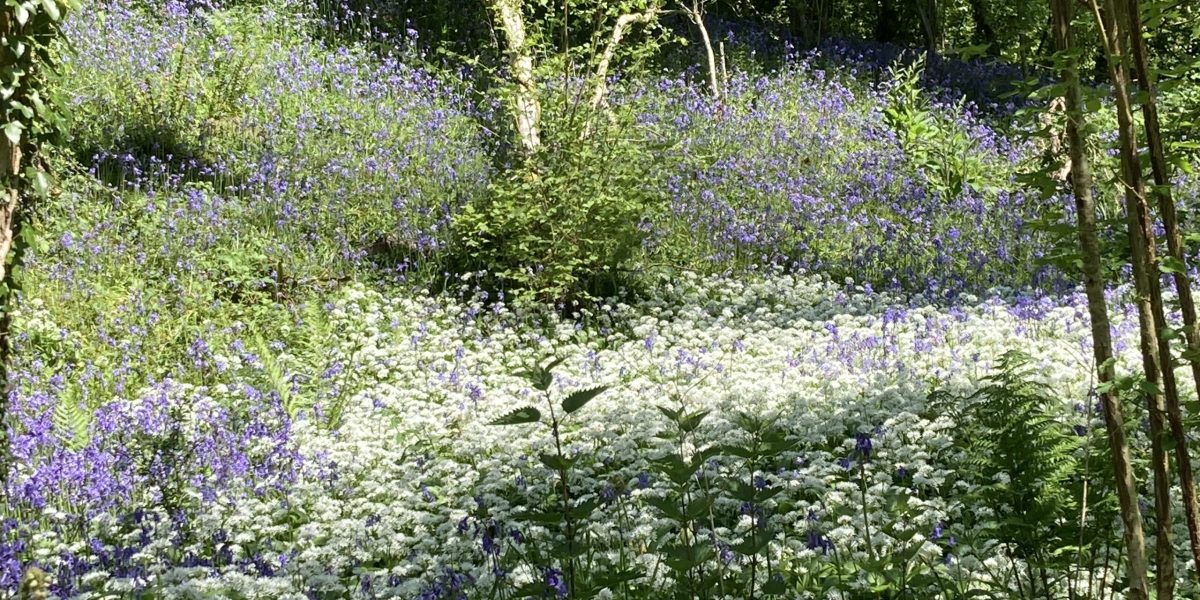
Cotehele is a medieval manor house managed by the National Trust, perched above the Tamar on the Cornish side. The walk from Cotehele down through the Danescombe Valley to Calstock covers about 3 miles (5 km) and takes around two hours, partly because you’ll want to stop constantly. The Danescombe Valley is a steep, wooded gorge that drops to an old quay on the river. In late April and May, the woodland floor transforms into a solid carpet of bluebells — the kind of sight that stops you mid-stride. Wood anemones appear earlier, often by mid-March, and ramsons (wild garlic) fill the air with that sharp, green, unmistakable scent from April onward. At Calstock, you emerge beneath the magnificent twelve-arch railway viaduct, one of the finest in the South West. You can return by train or retrace the path uphill.
Cotehele to Metherell and St Dominic routes
These are quieter alternatives that take you away from the main valley and into the rolling countryside behind Cotehele. The lanes here are lined with orchard blossom in April, cherry trees first, then apple and damson, alongside hedgerow flowers like red campion, herb robert, and early foxgloves. The Metherell loop covers about 5 miles (8 km) and suits walkers who want more solitude. You’ll rarely see more than a handful of other people on these paths, even on a sunny weekend.
National Trust members park free at Cotehele. Everyone else pays a small parking fee (currently around £5). The Cotehele café serves proper cream teas, and the gardens alone are worth an hour of your time. Wheelchair-accessible paths cover the main garden and quay area, but the valley walks involve steep, uneven terrain.
Calstock loop and the Tamar Valley Discovery Trail
Flower walks through the Tamar Valley connect beautifully via the Tamar Valley Discovery Trail, a network of routes that threads through the valley’s finest landscapes. The Calstock Loop is a particular highlight in spring.
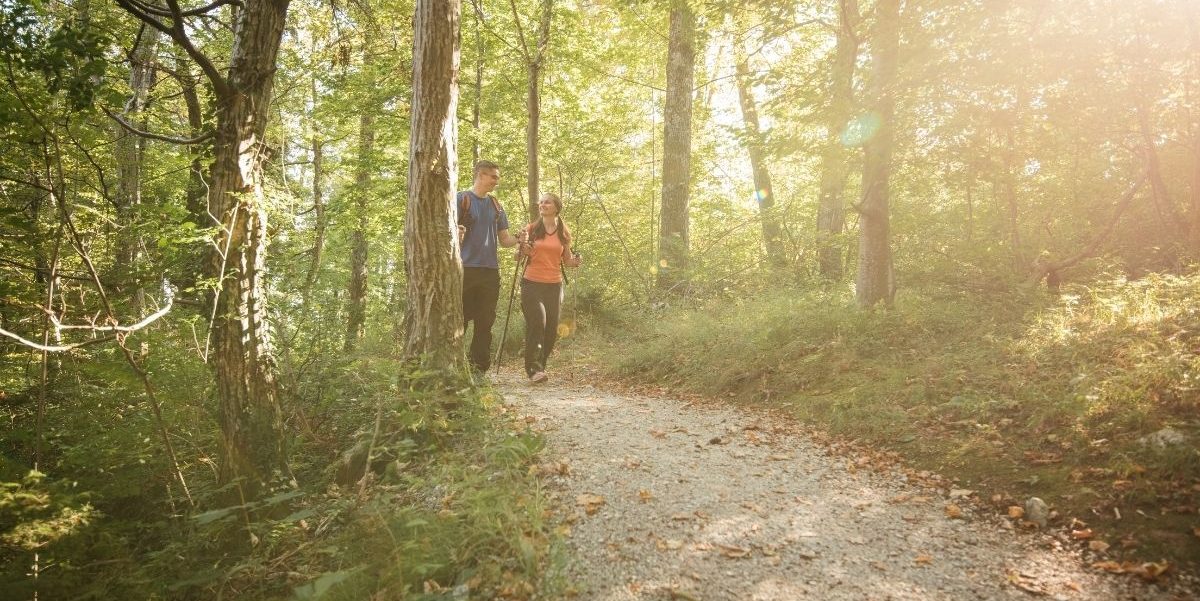
The loop starts in Calstock village, crosses beneath the viaduct, follows the riverside through meadows, and climbs through woodland before returning to the village. The full circuit covers about 4 miles (6.5 km) and takes roughly two hours. Spring wildflower grassland along the river sections is superb, with buttercups, clover, and ox-eye daisies appearing from late April, while the woodland sections offer bluebells and wild garlic.
Walkers wanting a longer challenge can extend from the Calstock Loop toward Gem Bridge and the Double Waters confluence, where the River Walkham meets the Tavy on the edge of Dartmoor. This adds another 3 miles (5 km) each way and takes you into wilder territory, where the wildflowers thin out, but the landscape becomes dramatic and rocky.
Here’s something most guides don’t mention clearly enough: Calstock is directly reachable by the scenic Tamar Valley Line train from Plymouth. The journey takes about 25 minutes, crosses the Tamar on Calstock Viaduct itself, and drops you right in the village. No car needed. No parking stress. Honestly, the train ride alone is worth the trip.
What flowers will you actually see? A month-by-month spring guide
Flower walks through the Tamar Valley reward timing, and this is the section I wish someone had written for me before my first visit. Competitors mention “spring flowers” vaguely. Here’s what you’ll actually find, week by week.
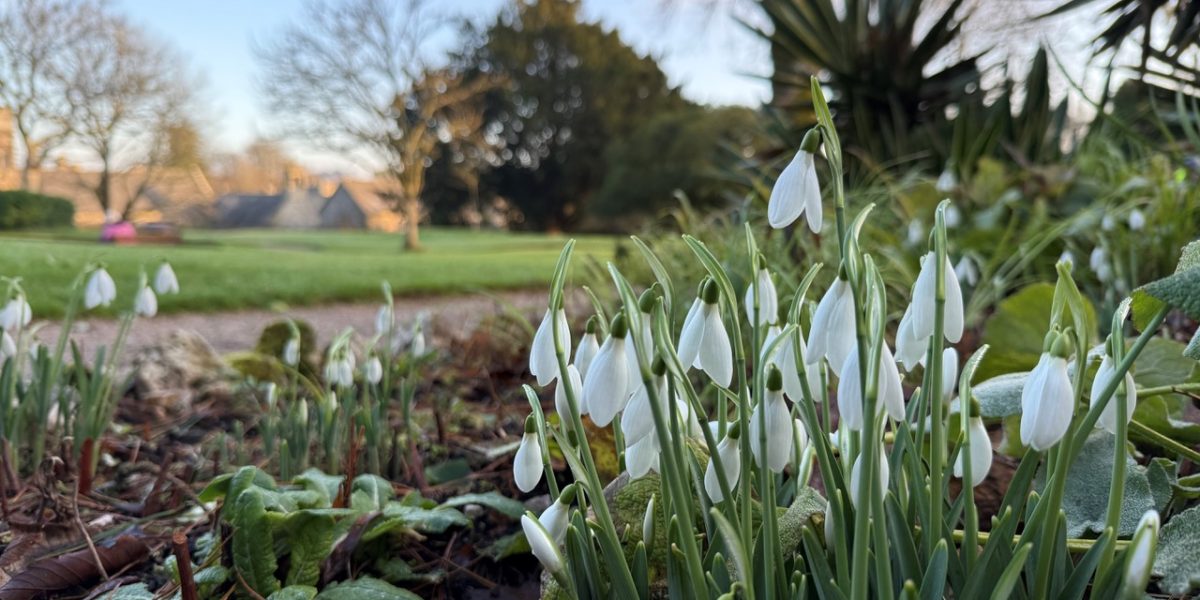
Late February to March: Daffodils steal the show, both wild Lent lilies and the larger cultivated varieties left over from the valley’s market gardening days. Snowdrops linger in shaded spots. Lesser celandines open their glossy yellow petals on sunny banks. Early primroses appear in sheltered hedge bottoms, often by mid-March.
April: Primroses reach their peak along every lane and path. Wild garlic (ramsons) pushes up through the woodland floor; you smell it before you see it. Violets dot the hedge banks in purple and white. Greater stitchwort opens its delicate white star-shaped flowers in hedgerows. The first bluebells appear at lower altitudes, especially in the Danescombe Valley.
Late April to May: Bluebells dominate the ancient woodland floors in dense, hazy sheets of violet-blue. Red campion adds splashes of bright pink along path edges. Cow parsley froths along every lane. Orchard blossom peaks, cherry trees first, then apple and damson. The earliest foxgloves begin opening their tall purple spires in sunny clearings.
Late May to early June: Foxgloves reach their full height and become the valley’s signature flower. Ox-eye daisies and meadow buttercups fill the riverside grassland. The last bluebells fade in deep shade. Honeysuckle begins to scent the evening air along woodland edges.
Print this section out, tuck it in your pocket, and you’ll know exactly what to look for on every walk.
Practical tips for spring flower walks in the Tamar Valley
Flower walks through the Tamar Valley reward a bit of planning. Here’s the practical advice that most guides forget to include.
Getting there without a car
The Tamar Valley Line runs from Plymouth to Gunnislake, stopping at Bere Ferrers, Bere Alston, Calstock, and several smaller halts. Trains run roughly every two hours on weekdays and Saturdays. The Cremyll Ferry connects Plymouth (Stonehouse) to the Rame Peninsula on the Cornish side, useful for reaching Cotehele via a longer walk. Several bus services link Tavistock to valley villages. You genuinely don’t need a car, and travelling by train gives you river views you’d miss entirely from the road.
What to wear and bring:
- Waterproof jacket and an extra layer, spring weather in Devon and Cornwall changes fast.
- Sturdy walking boots with ankle support (paths get seriously muddy after rain).
- Insect repellent from late April onward, especially near wild garlic areas.
- Sun cream – yes, even in Devon, UV can catch you off guard on clear spring days.
- A fully charged phone for photographs and route maps.
- A small snack and water – some routes have no shops or cafés along the way.
Best time of day for flower photography
Early morning light — before 09:00 — gives you soft, warm tones and long shadows that make bluebell woods look extraordinary. Late afternoon, from about 17:00 onward, works beautifully too. Midday sun creates harsh shadows and washes out delicate colours. I always find the morning light in the Danescombe Valley particularly magical — the mist sometimes lingers above the river and drifts through the trees.
Respecting the landscape:
- Stay on marked paths to avoid trampling sensitive habitats.
- Leave wild daffodils and bluebells unpicked – many are protected under the Wildlife and Countryside Act.
- Take all litter home, including fruit peel and tissue.
- Keep dogs on leads near livestock, especially during lambing season (February to April).
- Close the gates behind you.
Common mistakes walkers make on Tamar Valley flower trails
- Flower walks through the Tamar Valley can disappoint if you get a few things wrong. Avoid these pitfalls:
Arriving too late for daffodils. Mid-May visitors hoping to see daffodils have missed them by a month. Peak daffodil time runs from late February to mid-April. Come in late April or May for bluebells instead.
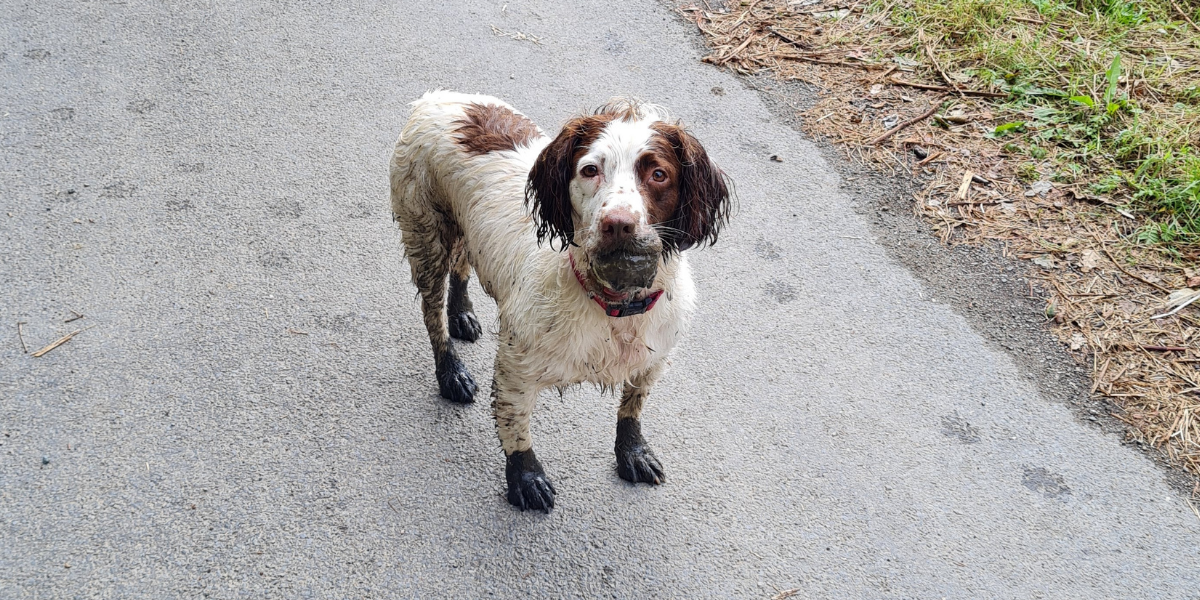
- Underestimating the mud. The valley’s sheltered slopes hold moisture. Paths that look fine on a sunny morning can turn into ankle-deep bogs after a day of rain. Boots, not trainers.
- Skipping the Tamar Valley Line train. Driving to the valley means you miss the best river views entirely. The train crosses Calstock Viaduct at a height of about 37 metres — an experience you can’t replicate from a car park.
- Ignoring tide times at Bere Ferrers. The estuary floods certain low-lying path sections at high spring tides. Check tide tables for Devonport before you set out.
Wearing the wrong footwear. Every season, walkers in trainers end up sliding on wet woodland paths. Proper walking boots with grip make a real difference on the valley’s clay-heavy trails.

Bring the Tamar Valley home – send spring flowers to someone you love
- Flower walks through the Tamar Valley often stir up a particular feeling, you stand in a bluebell wood or along a riverbank massed with daffodils, and you immediately think of someone who’d love to see it too. Maybe they live too far away. Maybe they can’t walk these paths right now. You can still share a little of that beauty.
- MyGlobalFlowers you send a hand-tied bouquet to anywhere in the UK, arranged by local florists using fresh, seasonal stems, the same kinds of spring flowers you’ve just been walking through. Daffodils, tulips, ranunculus, freesias, and seasonal greenery all feature in spring arrangements. Local florists prepare each bouquet on the day of delivery, so your recipient opens the door to something genuinely fresh.
- Spring is packed with occasions worth marking. Mothering Sunday, the fourth Sunday of Lent, usually falling in March, is the obvious one. Easter is another. But honestly? The best reason is no reason at all. A “just because” bouquet after a gorgeous valley walk says more than most people realise.
- A few quick care tips so the flowers last as long as possible once they arrive:
- Trim stems at a 45° angle with sharp scissors immediately after unwrapping
- Place in lukewarm water and change it every two days
- Keep the vase away from radiators and direct sunlight, still common hazards in UK homes through spring
- Remove any leaves sitting below the waterline to prevent bacterial growth
- Stand the bouquet in a cool hallway, and spring flowers can easily last 7–10 days
- You can also add a personalised greeting card, request photo confirmation of delivery, and choose same-day delivery in many UK cities. Browse the spring collection at MyGlobalFlowers and make someone’s day a bit more colourful.
A walk worth taking
- There’s something deeply restorative about walking through a valley that’s been blooming this way for centuries. The daffodils you see on the Bere Alston path are descendants of flowers planted by Victorian market gardeners. The bluebells in the Danescombe Valley have been returning to the same woodland floor for longer than anyone can remember. You step into a living timeline, and it slows everything down in the best possible way.
- So pick one route. Check the Tamar Valley Line timetable. Lace up your boots and go. Spring in this valley is short and doesn’t wait, but while it lasts, it’s one of the finest things England has to offer. And if the walk makes you want to share a little of that beauty, browse our spring collection and send flowers to someone who deserves them. Which route will you try first?
Frequently asked questions:
When is the best time for flower walks through the Tamar Valley?
A. The best window runs from late February to late May. Daffodils peak between late February and mid-April, while bluebells take over the woodland floors from late April through May. Visit in early April for the widest variety of spring blooms all at once.
Are the Tamar Valley daffodil walks free?
Yes. All the public footpath routes around Bere Alston, Bere Ferrers, and Calstock are completely free to walk. Cotehele charges for car parking (free for National Trust members), but you don’t need to pay a house entry fee to walk the grounds and woodland trails.
Can I reach the Tamar Valley flower walks by public transport?
Absolutely. The Tamar Valley Line train runs from Plymouth to Gunnislake, with stops at Bere Ferrers, Bere Alston, and Calstock. Trains run roughly every two hours. The Cremyll Ferry also connects Plymouth to the Cornish side of the valley.
How long are the main spring walking routes in the Tamar Valley?
Most routes range from 3 miles (5 km) to 5 miles (8 km). The Bere Alston to Bere Ferrers linear walk covers about 3 miles and takes roughly 90 minutes. The Cotehele to Calstock walk is a similar distance. All routes suit moderate fitness levels with no extreme gradients.
Can I pick the wild daffodils along the Tamar Valley walks?
No. Wild daffodils (Narcissus pseudonarcissus) are protected under the Wildlife and Countryside Act 1981, and picking them is illegal. Many of the cultivated varieties along the paths also grow on private land. Enjoy them where they stand, take photographs, and leave them for the next walker.