Group Travel

Experiences

local Map

Become a member

Shop

Blog

Tavistock Town Walk

Easy

2½ miles (4km)

1–2 hours

The creation of this walking route has been led by the Tamara Landscape Partnership Scheme, a project run by the Tamar Valley National Landscape and funded by the National Lottery Heritage Fund.

An exploration of Tavistock’s historic centre, from the days of the Benedictine abbey and medieval markets to industrial prosperity, the building of the canal and the arrival of the railway in 1859.

Summary

Famed since 2006 as the gateway to the UNESCO Cornwall and West Devon Mining Landscape World Heritage Site, Tavistock’s story starts many centuries ago. Traces of the Benedictine Abbey, destroyed by Viking raiders in AD997 and then rebuilt, still grace the town centre. Under the abbey’s patronage Tavistock developed into a prosperous market town and a centre for the production of woollen cloth. In the early 14th century it became a stannary town, alongside Ashburton, Chagford and Plympton, where Dartmoor tin was assayed and taxed. Around town keep an eye out for the letter B, carved in stone and often accompanied by a date and a ducal coronet, marking buildings initiated by the Bedford family, who were gifted the estate after Henry VIII’s dissolution of the monasteries in 1539. For the next 500 years successive Dukes of Bedford influenced the town’s fortunes. The magnificent range of stone buildings in the town centre was the work of the 7th Duke, who became hugely prosperous through local mining initiatives.

Key Facts

Start/Finish

Canal Wharf, Canal Road, Tavistock SX 480741, PL19 9RE

Distance

2½ miles (4km)

Time

1–2 hours

Terrain

Level tarmac ways, pavements, steady climb to viaduct

Difficulty Rating

Easy

Toilets

Parking

Bedford car park, Tavistock (pay & display)

Public Transport

Bus services to/from Callington, Okehampton and Plymouth

Dogs

On leads at all times

Directions

1 SX 480741

The walk starts at the Tavistock Canal Wharf (1), surrounded by the quays, offices and a granary (a removable floor enabled unloading and loading the barges directly from the building). Tavistock Canal was built between 1803 and 1817 to link local copper-rich mining areas to the port of Morwellham on the tidal River Tamar. Facing the canal, by the bridge, turn right; pass the old granary building then turn right across Bedford car park to find a gateway through the boundary wall. Turn left on Abbey Walk, alongside the River Tavy. Pass the Abbey Still Tower (2), restored in 1884, and where monks distilled herbal medicines, using flora from their nearby garden. Just before Abbey Bridge (3) note the canal intake above the weir. The original medieval bridge served the abbey; the current bridge, built in 1763 for the Plymouth toll road, was widened in 1859 to cope with increased traffic resulting from the arrival of the Great Western Railway and nearby station.

2 SX 482743

Turn left towards Bedford Square, passing the Abbey Chapel (4). This was originally the monks’ infirmary, and later the abbot’s Great Hall; after 1691 the chapel was a meeting place for non-conformists. The current entrance was built in 1845 to replace the original on the north side, which was walled up, but the early 16th-century porch still stands. On the corner of Bedford Square stands the Bedford Estate Office (5). From the 1820s to 1911 (when much of the estate was sold to pay taxes) this was the power base of the Bedford land agents. It closed in the 1960s. Turn left on Plymouth Road to pass the Bedford Hotel (6), a hotel since 1822. Originally known as Abbey House, it dates from the 1720s and was built on the medieval abbey refectory, and for many years was home to the Duke of Bedford’s agents. Continue past the hotel car park entrance.

3 SX 481743

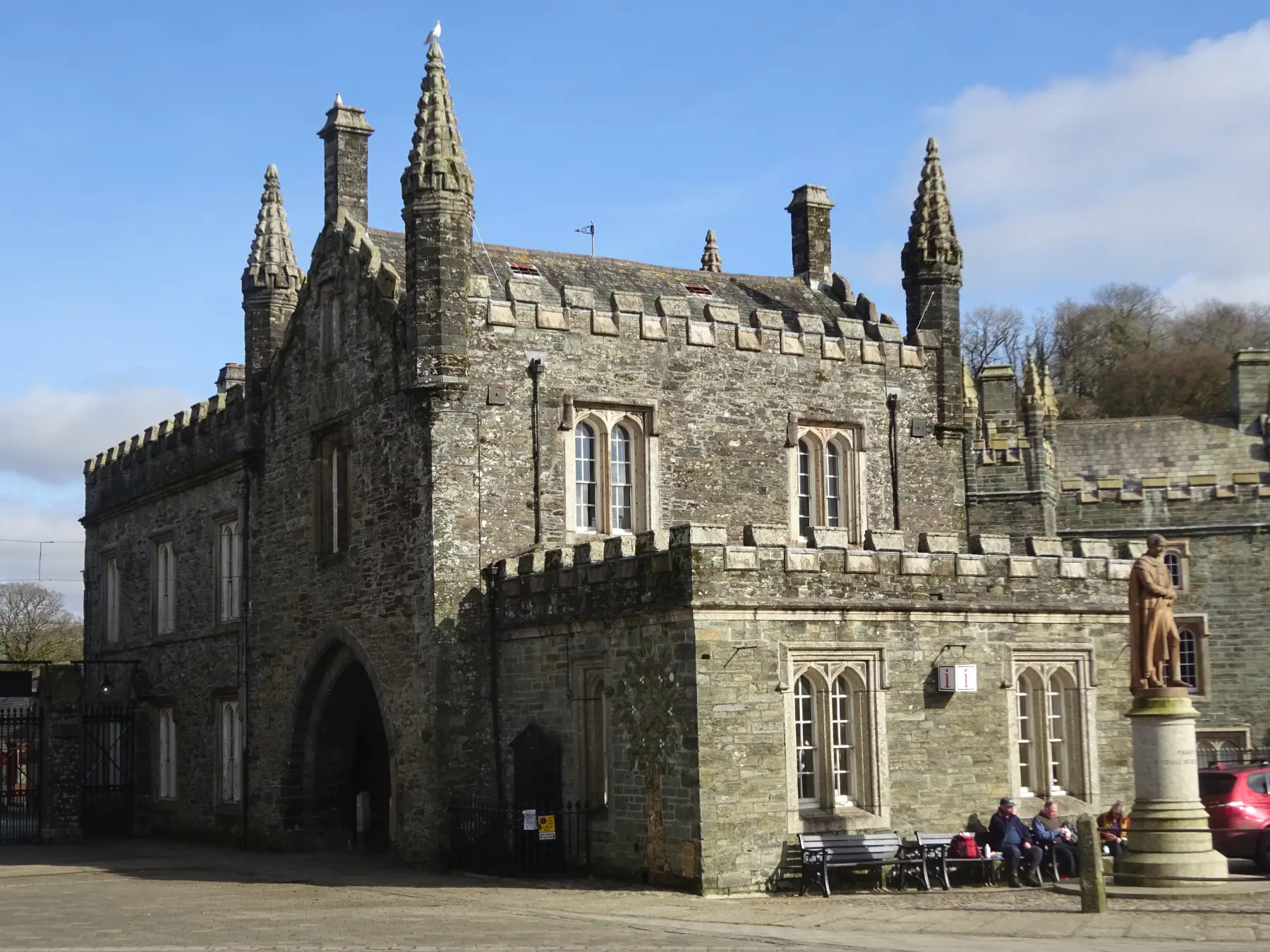
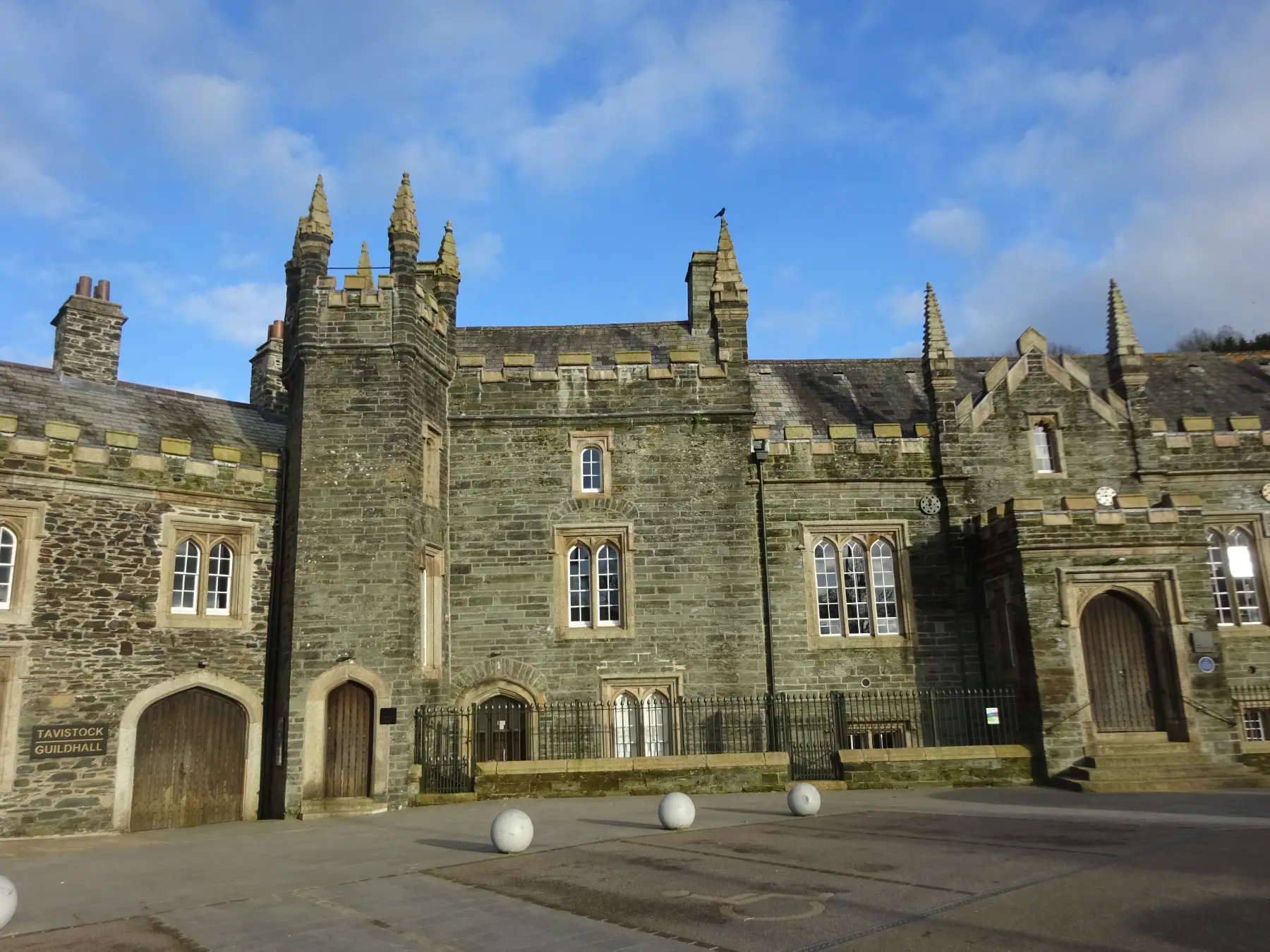
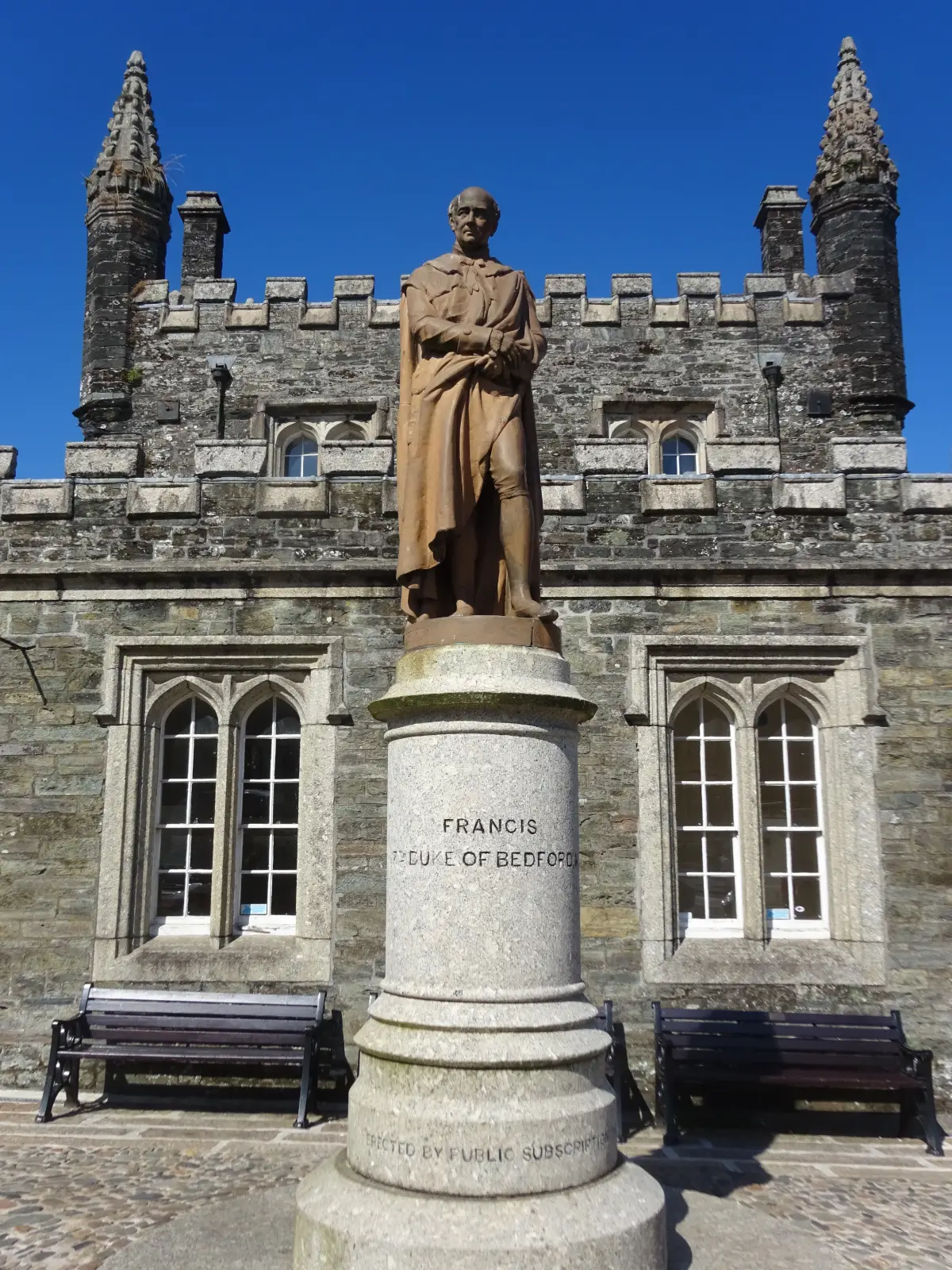
The next point of interest is the atmospheric ruin of Betsy Grimbal’s Tower (7), mostly dating from the 15th century, and one of the last remnants of the 10th-century abbey. The name may derive from ‘Blessed Grimbald’, a 9th-century saint revered by the Benedictines. Retrace your steps towards Bedford Square and cross Plymouth Road at the pedestrian crossing. St Eustachius’ Church (8), ahead, dates in part to 1318; Eustachius was a Roman general, martyred for his Christian beliefs. Turn left to find, just inside the churchyard, the sole remaining arch of the abbey cloisters (9). These adjoined the abbey church, a magnificent building dedicated in 1318 and demolished by 1700. Head towards the roundabout on Bedford Square. There’s an impressive range of buildings ahead: (left to right) Town Hall (10), opened in 1864; Court Gate (11), the most substantial part of the abbey still standing, dating from the 12th century and restored in 1824; and the restored Guildhall (12), built by the 7th Duke of Bedford on the site of the old abbey mill in 1848. His statue, in bronze, can be seen next to Court Gate. Turn left along the pavement to reach the junction with West Street (left) and Duke Street (right): Drake Road (13) (ahead) was created in 1890 to run up to Tavistock’s new (and second) railway station (Tavistock North). Cross West Street and turn left. Look out for Market Street on the right: take a few paces up it to find one of Tavistock’s last remaining medieval timber-framed townhouses (14), dating from the 16th century – with a late 19th-century shop front – and now housing a bookshop. Continue along West Street to reach King Street. On the opposite corner note the impressive building now housing a clothes shop. This was originally the Corn Market (15), erected by the 6th Duke in 1835 on the site of the Green Dragon Inn, with Assembly Rooms on the first floor. The building was later home to the town’s first cinema, from 1912 to 1963.

4 SX 480744

Turn right up King Street to reach Bank Square (16), created in the 1820s and now occupied by a car park, but once the heart of medieval Tavistock. King Henry I granted the abbot a charter to hold a weekly market in 1105, and is likely that markets were located in this part of town. It declined as the commercial centre from the 1860s after the 7th Duke rationalised the markets and relocated them in the Pannier Market. Walk diagonally across the square to reach the corner of Market Street and Pym Street. This building housed the Tavistock Bank (17) (the town’s first), opened by John and William Gill in 1791. Continue up Market Street, catching glimpses of the old railway viaduct ahead; at the next junction of roads (Taylor Square [18], named to commemorate John Taylor [1779–1863], creator of the Tavistock Canal) keep straight ahead uphill, now on a narrower road, between terraced houses. Pass under the viaduct, then turn right up broad steps to reach Drake Road; cross over and turn left.

5 SX 480746

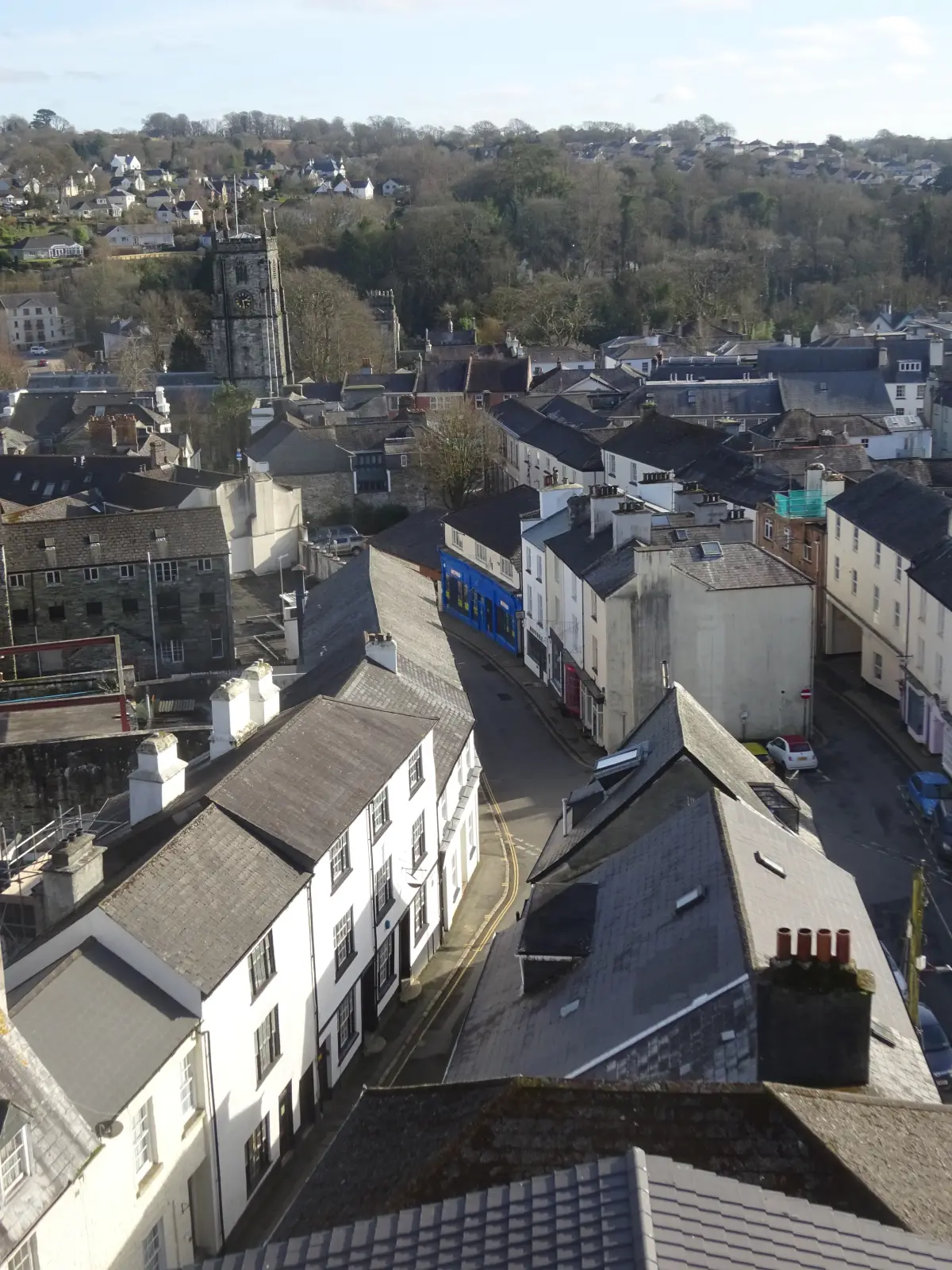
Turn sharp right into Kilworthy Park, then right again on a tarmac way (Quant Park) to pass under the old railway and ascend to Tavistock North Station (19), built in 1890 and closed in 1968, and now holiday accommodation. Just before the gates turn sharp left past houses to reach the viaduct (20) that once carried the Plymouth, Devonport & South Western Junction Railway (Waterloo to Plymouth), now affording great views over the town. Retrace your steps to Drake Road and turn left, downhill, under the viaduct, to reach Kilworthy Hill (left).

6 SX 481745

Take the next road left (Barley Market Street), then turn first right down Pepper Street to meet Duke Street (21) opposite an entrance to Tavistock’s famous Pannier Market (22). The Tavistock Markets Act 1859 enabled the Duke to demolish slum dwellings to make way for the Pannier Market. Look up to the roofline above the entrance to spot the letter B (22) between a ducal coronet and the date 1860, and enclosed within carved granite architraves. Turn left along Duke Street and then Brook Street, eventually passing the Tavistock Inn (23), which opened in 1894, selling ale from the Bedford Brewery behind it. Pass Vigo Bridge (24) Road (the bridge was built in 1773, and named after Sir Francis Drake’s 1585 pillaging of the Spanish port of Vigo) to reach the Town Mill (25), now home to a hardware and household store. This was the town’s corn mill from 1846, supplied via a leat (Millbrook) from the Tavy; the miller’s house was in the adjoining car park. Continue along Parkwood Road, through the area once occupied by Tavistock Iron Works (26). The town’s first iron foundry (1800) was located beside the river, but soon merged with a foundry north of Parkwood Road. Look out for Foundry Mews, the second turning on the left: the long low building with round-arched windows was the smiths’ workshop. Further along the road you pass a development of Duke of Bedford Cottages (27), built in 1859 to house estate workers. The building opposite, part of the iron works, was eventually converted into a wool-combing factory, which closed in 1965. Just before reaching the end of Parkwood Road, turn right past a seat to reach Stannary Bridge Road.

7 SX 48731 74671

Turn right (now on the route of the old GWR railway line to Tavistock South Station, which closed in 1962). On the other side of the road is the old Tavy Iron Works (28), which expanded in 1869 from Hawkins’ Shop (29) located on the south side of the River Tavy. Pass more Duke of Bedford cottages (1845) and cross Vigo Bridge Road; continue along Dolvin Road to pass St Rumon’s primary school (30) (the former Dolvin Road School, built by the National Society for Church of England Schools in 1847). It’s worth crossing the road to take a look at Dolvin Road Cemetery (31), first opened for non-conformists in 1834; the burial ground was later extended to cater for all denominations, and closed for new burials On reaching the roundabout turn right, then cross the road at the pedestrian crossing. Turn left to cross Abbey Bridge.

8 SX 482743

Bear right down St John’s Avenue. Pass to the right of a car park then through Benson Meadow (32), named after a 19th-century benefactor (look out for St John’s Holy Well on the left). Cross the Tavy on an iron bridge to enter The Meadows (33), former meadowland which became a park in 1898. Head across the park to reach the Tavistock Canal (34), and turn right alongside it, passing Meadowlands Leisure Centre to reach the canal wharf and the start point.

Map

All Short Walks

Whether you’re an avid hiker eager for a week-long adventure tracing the Tamar River from sea to source or just looking for a short stroll to a cosy pub, there’s something for everyone. 

Find out more about our marvellous landscape by visiting the Tamar Valley National Landscape’s website. 

Calstock Station to The Danescombe Valley Circular Walk

Calstock Station to Okel Tor Mine & the River Tamar Circular Walk

Calstock Station to Cotehele Quay & River Tamar Circular Walk

Bere Ferrers Station to Gnatham & River Tavy Circular Walk with an optional extension to Lopwell Dam

From Bere Alston Station a Tamar & Tavy Valley Circular Walk

Bere Alston Station to Ward Mine & River Tamar Circular Walk

Bere Alston Station to Tuckermarsh Quay & River Tamar Circular Walk

Bere Alston Station to Bere Ferrers Discovery Trail Walk

Bere Ferrers to Bere Alston Via Calstock Viaduct Walk

Bere Ferrers Station to Bere Alston Via Lockeridge Farm Walk

From Gunnislake Station Tamar Valley & Hingston Down Circular Walk

From Gunnislake Station Hingston Down & Albaston Circular Walk

Gunnislake Station to Clitters Mine Circular Walk

Walks by difficulty

Walks by town

Also nearby

Calstock Arts

Calstock Arts

Mount Edgcumbe House and Country Park

Mount Edgcumbe House and Country Park

Bull Pen Gallery, Cotehele

Bull Pen Gallery, Cotehele

Forgotten Gardens of Lewtrenchard

Forgotten Gardens of Lewtrenchard

Callington Rotary Club

Callington Rotary Club

Darren’s Cars

Darren’s Cars

Canoe The Tamar

Canoe The Tamar

Launceston Castle

Launceston Castle

Cotehele Mill

Cotehele Mill

The Springer Spaniel

The Springer Spaniel

Golf at China Fleet Country Club

Golf at China Fleet Country Club

Louis’ Tea Rooms

Louis’ Tea Rooms

The Horn of Plenty Restaurant

The Horn of Plenty Restaurant

Lost Surfers Cocktail Cafe

Lost Surfers Cocktail Cafe

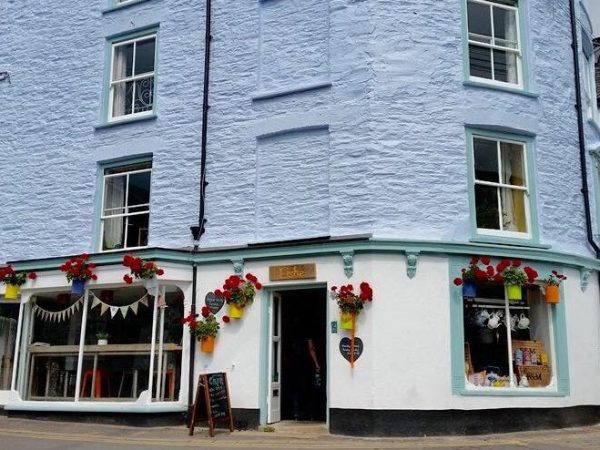
Lishe Coffee Shop

Lishe Coffee Shop

Dining at Lewtrenchard

Dining at Lewtrenchard

Dining at China Fleet Country Club

Dining at China Fleet Country Club

Honicombe Arms at Honicombe Holiday Village

Honicombe Arms at Honicombe Holiday Village

Calli Pizza Cafe

Calli Pizza Cafe

Tors Restaurant at Two Bridges Hotel

Tors Restaurant at Two Bridges Hotel

The Bookshelf

The Bookshelf

The Yard Cafe Weir Quay

The Yard Cafe Weir Quay

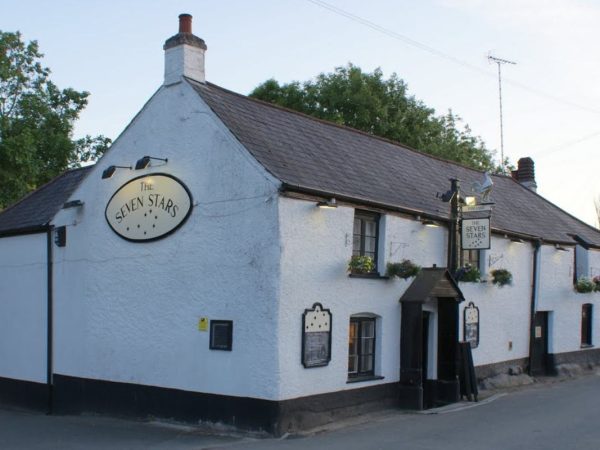
The Seven Stars Inn

The Seven Stars Inn

The Arundell Hotel & Restaurant

The Arundell Hotel & Restaurant

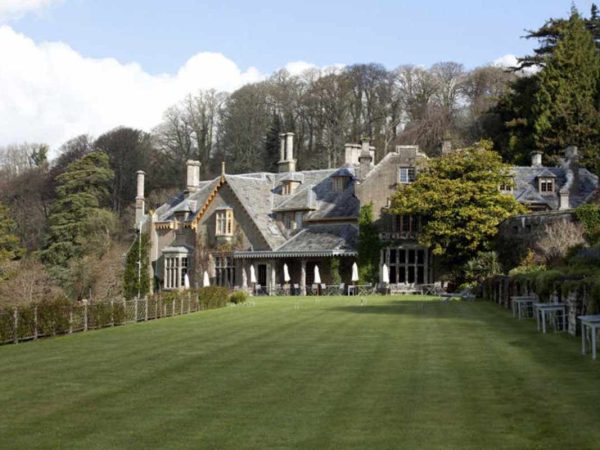
Hotel Endsleigh

Hotel Endsleigh

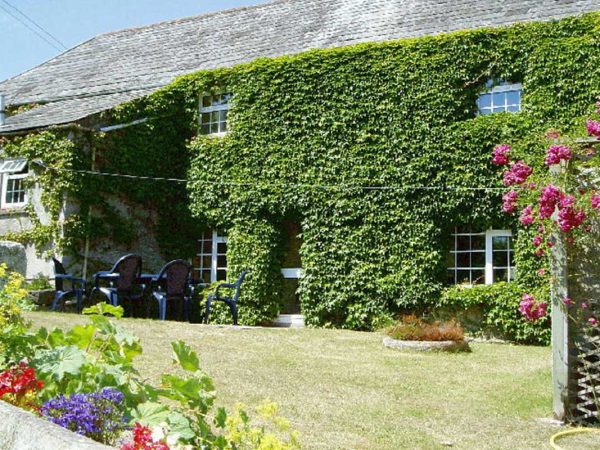
Bamham Farm Cottages

Bamham Farm Cottages

Harford Bridge Park

Harford Bridge Park

Harford Bridge Park Self Catering

Harford Bridge Park Self Catering

The Bedford Hotel

The Bedford Hotel

Two Bridges Hotel

Two Bridges Hotel

Duke at Spring Parc

Duke at Spring Parc

Langstone Manor Holiday Park – Holiday Cottages

Langstone Manor Holiday Park – Holiday Cottages

Launceston Town Hall and Guildhall

Launceston Town Hall and Guildhall

Lower Dutson Farm

Lower Dutson Farm

Okeltor Boathouse

Okeltor Boathouse

Overcombe House

Overcombe House

Kellywyk Cottage at Rowse Farm

Kellywyk Cottage at Rowse Farm

Pentillie Castle

Pentillie Castle

Weddings at Calstock Old Chapel

Weddings at Calstock Old Chapel

Carzantic Chapel Barn

Carzantic Chapel Barn

China Fleet Weddings

China Fleet Weddings

Crylla Valley Cottages

Crylla Valley Cottages

Borough Farm Devon Yurt

Borough Farm Devon Yurt

Borough Farm The Granary

Borough Farm The Granary

East Penrest

East Penrest

Fig Tree Cottage

Fig Tree Cottage

The Count House

The Count House

The Horn of Plenty Hotel

The Horn of Plenty Hotel

West Country Wildlife Haven

West Country Wildlife Haven

Todsworthy Farm Holidays

Todsworthy Farm Holidays

Trevosper Barn Cottages

Trevosper Barn Cottages

Woodovis Park

Woodovis Park

Old Rectory Caravan and Camping Park

Old Rectory Caravan and Camping Park